

Total body exercises are a fantastic way to improve strength, endurance, and overall fitness. These movements engage multiple muscle groups, making my workouts more efficient and effective. The five best total body exercises offer a perfect combination of strength building and calorie burning, which can lead to significant fitness gains.
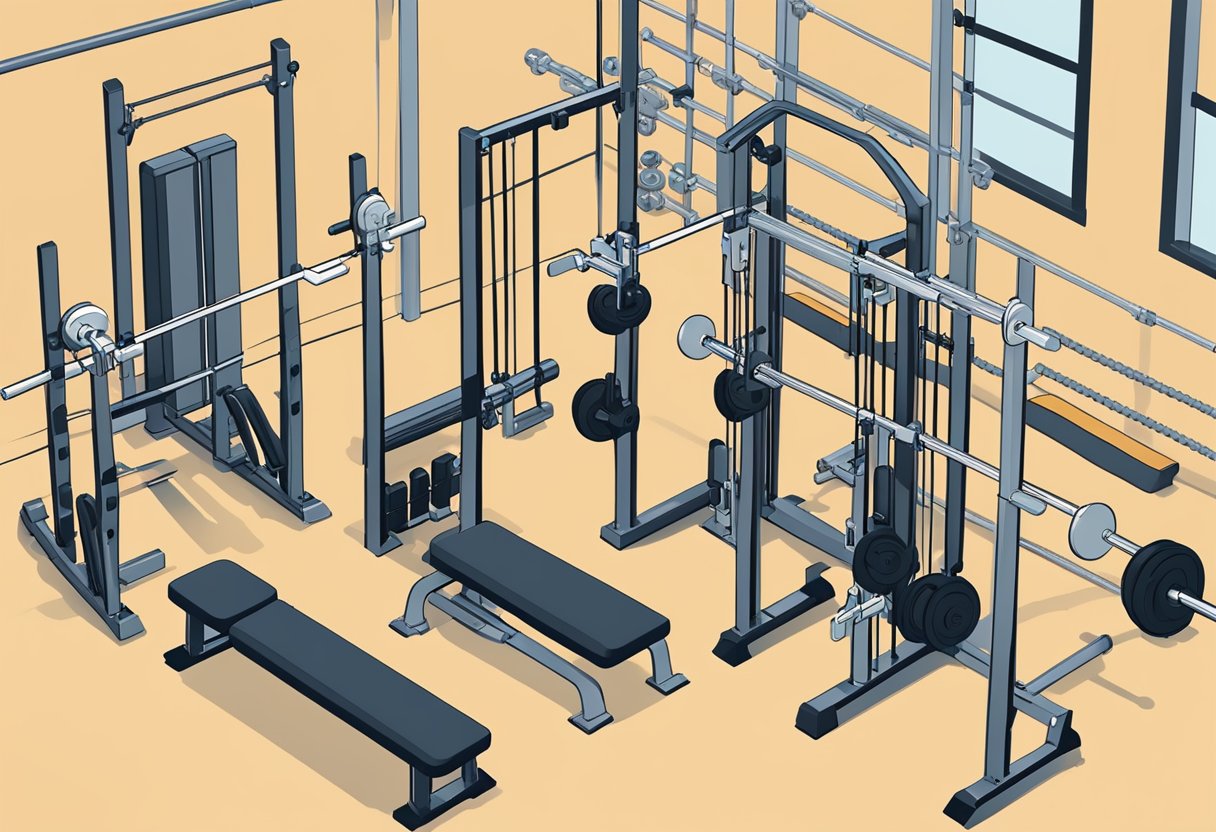
In my experience, including these key exercises in my routine has helped me achieve better results in less time. It’s not just about working hard; it’s about working smart. By focusing on compound movements, I maximize my workout and keep my motivation high, as I can see progress consistently.
Key Takeaways
- Total body exercises enhance strength and endurance efficiently.
- Engaging multiple muscle groups accelerates fitness gains.
- Consistency with key exercises leads to noticeable progress.
The Importance of Total Body Exercises
I find total body exercises to be essential for a balanced fitness routine. They engage multiple muscle groups at once, which makes workouts efficient and effective.
Thick Yoga Mat Fitness & Exercise Mat
Benefits of Total Body Exercises:
- Time-Saving: Since they work on different areas, I can achieve more in less time.
- Increased Strength: These exercises help build strength across my entire body, not just in isolated areas.
- Enhanced Coordination: They improve my body coordination and stability.
Total body workouts also boost my metabolism. When I engage large muscle groups, my body burns more calories, even after the workout.
Another important aspect is injury prevention. By training multiple muscles, I help maintain balance in strength. This reduces the chances of overuse injuries.
Moreover, they keep my workouts interesting. I can mix different exercises, like squats or push-ups, which prevents boredom. This variety makes me stay motivated.
Lastly, total body exercises support functional fitness. Activities like lifting, bending, and reaching become easier in my daily life. I feel stronger and more capable in everything I do.
Incorporating total body exercises into my routine has truly transformed my approach to fitness. They offer so many benefits that it's hard not to enjoy them!
Squat: The Foundation of Lower Body Strength
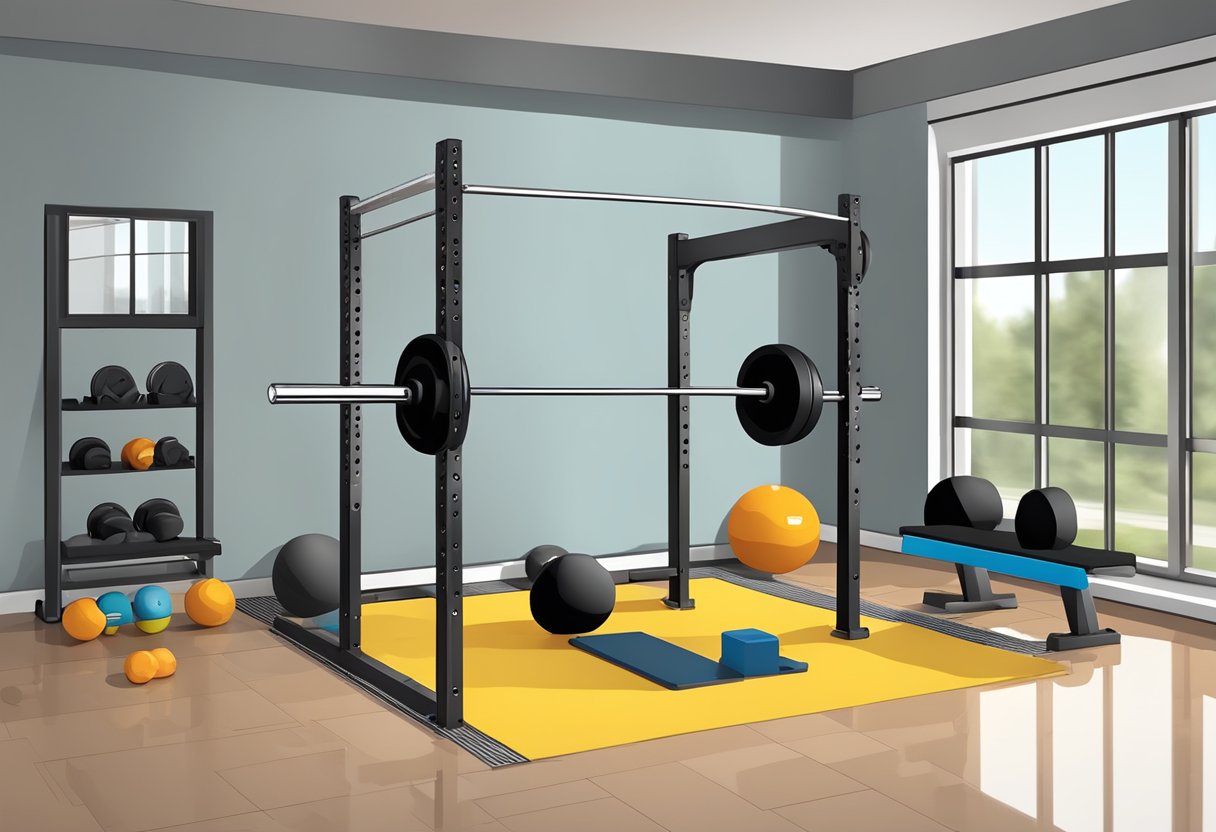
When I think about essential exercises, the squat stands out. It builds strength and power in the lower body, making it a staple for anyone's workout routine. Let's explore some variations and see why squats are crucial for total body development.
AD
Variations of the Squat for Different Fitness Levels
There are many squat variations that fit different fitness levels. Beginners might start with bodyweight squats to master form. This helps build a solid foundation without the added weight.
As I progress, I can switch to goblet squats. Holding a kettlebell or dumbbell at my chest adds resistance while keeping my form stable.
For those looking to challenge themselves further, back squats and front squats are excellent options. These require a barbell and target different muscle groups in the legs and core.
Here’s a quick look at some variations:
| Squat Variation | Description |
|---|---|
| Bodyweight Squat | No weights, focus on form. |
| Goblet Squat | Dumbbell or kettlebell held at chest. |
| Back Squat | Barbell on the upper back, targets legs and core. |
| Front Squat | Barbell across the front shoulders, more core engagement. |
Each variation helps me work towards my goals while keeping my workouts fresh and effective.
The Role of Squats in Total Body Development
Squats are not just about the legs; they play a significant role in overall body strength. When I squat, I'm engaging my core and back as well, which makes it a compound exercise. This means it works multiple muscle groups at once, leading to better strength gains.
Strong legs improve my performance in other exercises. When my lower body is strong, I can lift heavier weights and improve my endurance in activities like running or cycling.
Additionally, squats can help with everyday movements. Simple actions like sitting down, lifting, or climbing stairs become easier.
I appreciate how versatile and effective squats are. They serve as a key building block for my fitness journey, making my body stronger and more functional.
Deadlift: Engaging the Posterior Chain
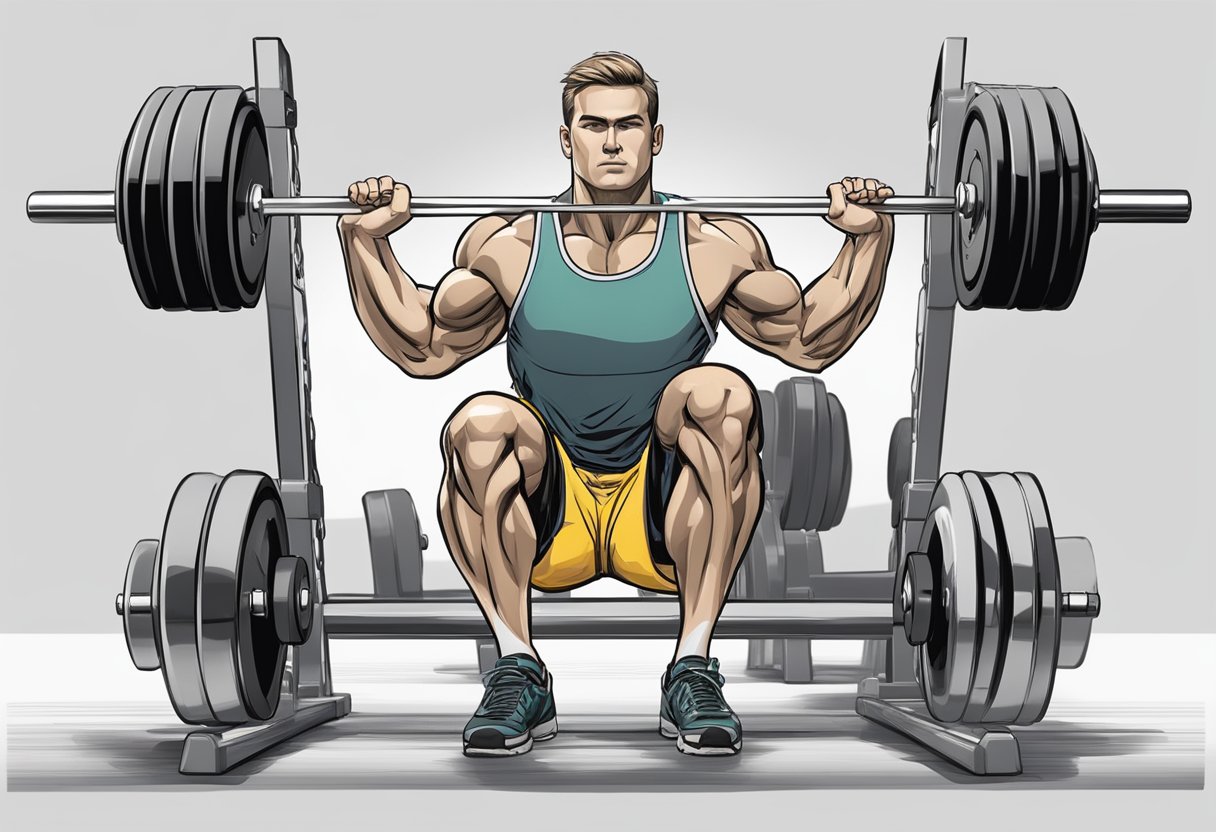
The deadlift is a fantastic exercise that targets the posterior chain, which includes muscles in your back, glutes, and hamstrings. With proper technique, I can maximize my strength and conditioning while reducing the risk of injury.
Proper Deadlift Form for Maximum Benefit
To perform a deadlift correctly, I start by standing with my feet shoulder-width apart. My toes should point slightly outward. I keep my shins close to the bar, ensuring my grip is just outside my knees.
When I lower myself to grab the bar, I hinge at my hips, keeping a flat back and engaged core. As I lift, I push through my heels, keeping the bar close to my body. It’s important for me to squeeze my glutes at the top while standing tall. Maintaining this form helps engage my posterior chain effectively. If I feel strain in my lower back, I check my posture and adjust as needed.
Modifications of the Deadlift for Different Goals
I can modify the deadlift based on my fitness goals. For building strength, I focus on the conventional deadlift. This moves heavy weights and is great for overall strength.
If I aim to target my glutes more, I might try a sumo deadlift. In this position, my feet are wider, which shifts the focus to my hips.
Another option is the rack pull. This exercise works my back without the full range of motion of a regular deadlift, making it suitable for beginners or those with limited flexibility.
Each variation offers unique benefits, so I choose what fits my goals best while maintaining proper form.
Push-Up: Building Upper Body and Core Strength
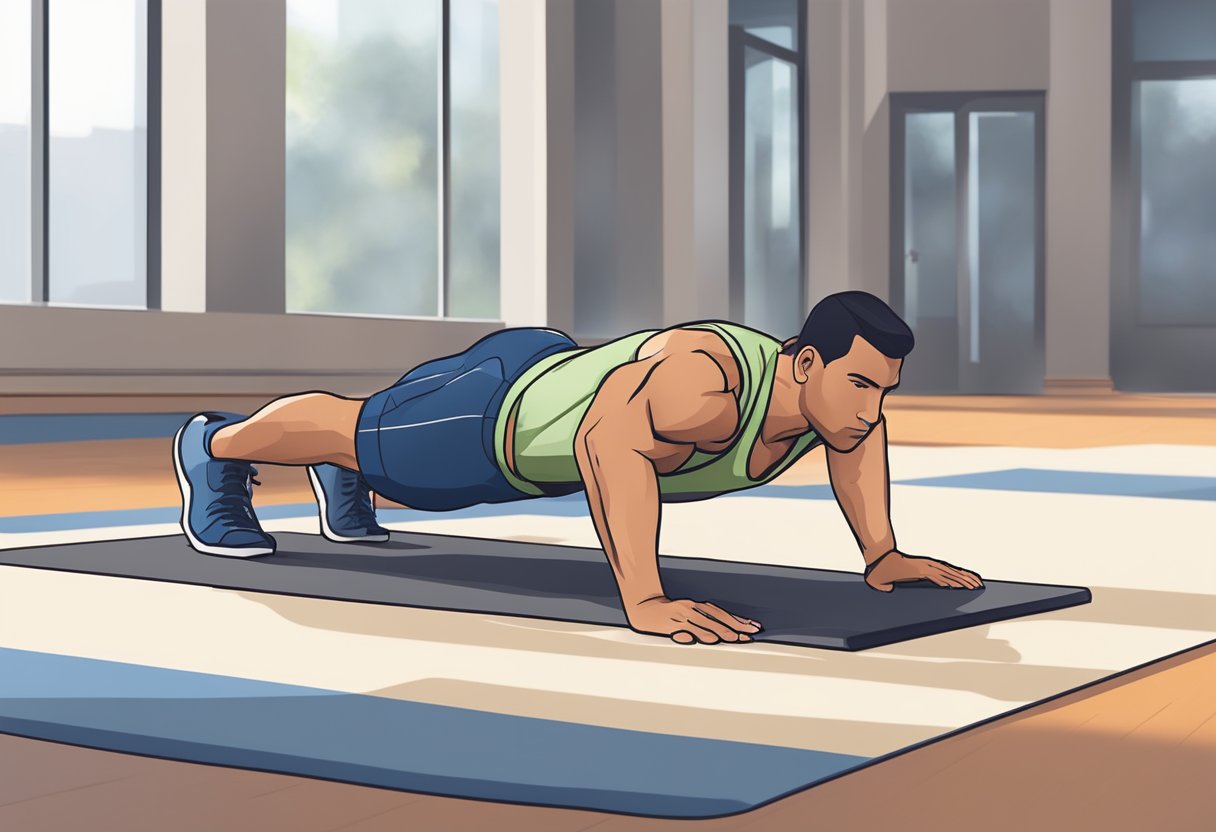
Push-ups are an essential exercise for enhancing upper body strength and core stability. They work multiple muscle groups, making them efficient for building strength and endurance.
Progressive Overload with Push-Ups
To maximize gains from push-ups, I focus on progressive overload. This involves gradually increasing the difficulty of the exercise over time. I can do this by changing the angle of my body, such as elevating my feet on a bench.
I also try different variations to keep challenging myself. For example, I might switch to wide grip push-ups or diamond push-ups. This targets different muscles and prevents my body from adapting too quickly.
Increasing the number of repetitions is another way. I start with a manageable number, then add more as I get stronger. Tracking my progress keeps me motivated and helps me see improvements.
Pull-Up: Defining the Back and Biceps
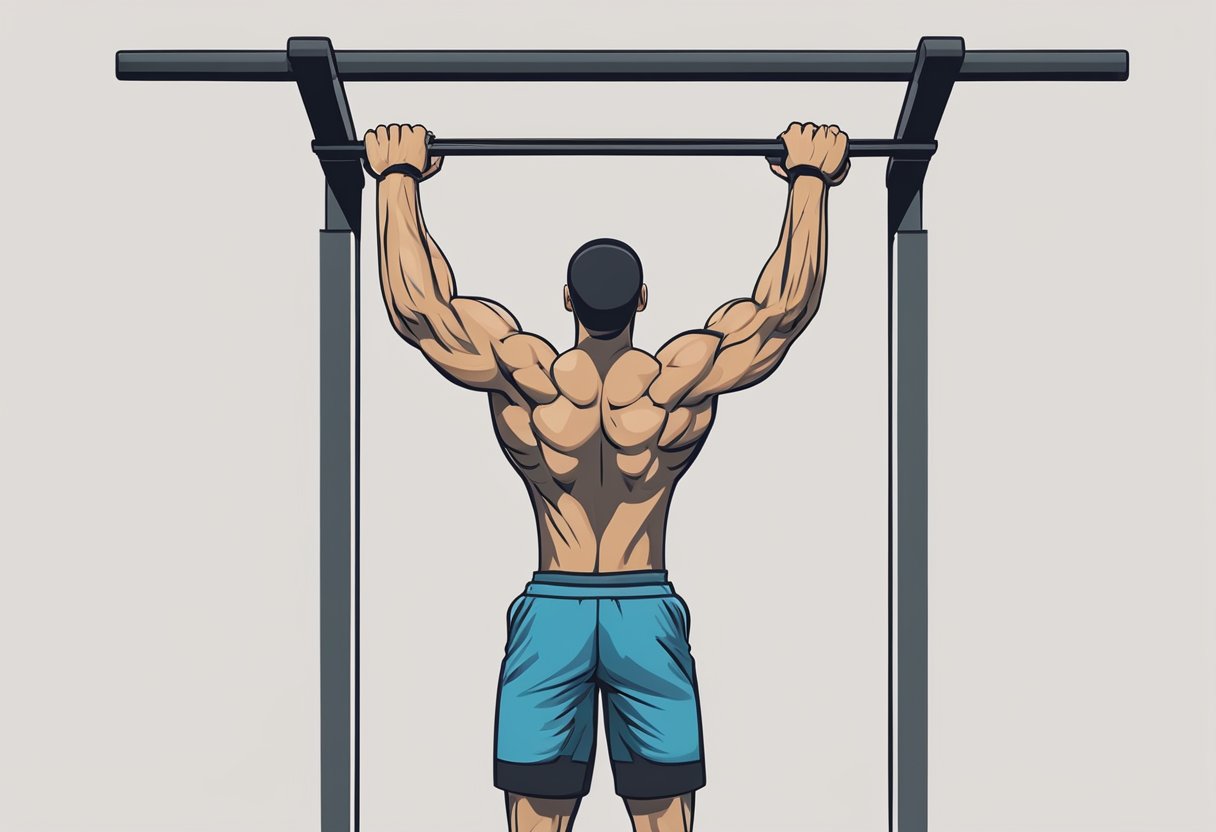
Pull-ups are a key exercise for strengthening the back and biceps. I appreciate how they not only build muscle but also improve functional strength. This exercise engages multiple muscle groups, making it a favorite for total body workouts.
How Pull-Ups Complement Other Exercises
Pull-ups shine when paired with other movements. They work well alongside rows and deadlifts. While rows target the back more horizontally, pull-ups emphasize vertical pulling.
This contrast creates balanced muscle development. When I incorporate pull-ups, I also strengthen my grip and shoulders. This enhances my performance in other lifts, such as bench presses and overhead lifts.
To maximize my training, I often do pull-ups before exercises like push-ups. This order helps me stay strong during my primary lifts. In turn, I see greater improvement across my entire routine.
Thick Yoga Mat Fitness & Exercise Mat
Burpees: The Ultimate Full-Body Cardio Move
Burpees are a fantastic way to work your entire body while getting a solid cardio workout. They combine strength and endurance, making them effective for anyone looking to improve their fitness.
Scaling Burpees for Beginners to Advanced Athletes
For beginners, starting with a simpler version is key. I often recommend breaking the burpee into parts. Begin with a squat, place your hands on the ground, and step back into a plank position instead of jumping. This reduces the intensity and helps build strength.
As I progress, I add in a push-up after the plank. This increases the challenge and targets the chest and arms. Eventually, I can include the jump at the end.
Advanced athletes can try variations like double push-up burpees or 180-degree turn burpees. These add more intensity and coordination, making the workout even more dynamic. By scaling the burpee to match my fitness level, I can enjoy this exercise while continually challenging myself.
Thick Yoga Mat Fitness & Exercise Mat
Integrating Exercises into a Full-Body Workout Routine
Integrating exercises into a full-body workout routine is a great way to maximize results. I like to focus on key movement patterns that engage major muscle groups.
Here are some simple steps I follow:
-
Choose Your Exercises
I select a mix of exercises targeting different areas. My go-to list includes:- Squats
- Push-ups
- Bent-over rows
- Lunges
- Planks
-
Plan Your Routine
I like to structure my workout by alternating muscle groups. For an effective balance, I do:- Upper body exercise
- Lower body exercise
- Core exercise
This method keeps my whole body engaged.
-
Set Reps and Sets
I usually aim for 3 sets of 10-15 reps per exercise. This range seems perfect for building strength and endurance. -
Incorporate Rest
I take a 30-60 second rest between sets. It helps me recover and perform better on the next set. -
Listen to My Body
I pay attention to how I feel. If I'm tired, I adjust the intensity or take an extra rest.
By mixing these elements, I create a dynamic and effective full-body workout routine that keeps me motivated and feeling great!
Recovery and Nutrition for Sustainable Fitness
Recovery is just as important as the exercises I do. After a tough workout, my muscles need time to heal and grow stronger. Here are some key points I focus on for recovery:
Hydration
I make sure to drink plenty of water before and after my workouts. Staying hydrated helps reduce muscle soreness.
Active Recovery
On my rest days, I engage in light activities like walking or yoga. These help increase blood flow and reduce stiffness.
Sleep
I prioritize getting enough sleep every night. Quality sleep can enhance muscle recovery and overall performance.
Nutrition
I pay close attention to what I eat. A balanced diet with a mix of protein, carbs, and healthy fats is crucial. Here’s a quick list of my go-to foods:
- Protein: Chicken, fish, beans
- Carbs: Whole grains, fruits, vegetables
- Fats: Avocados, nuts, olive oil
Post-Workout Snacks
After exercising, I like to eat a snack with protein and carbs. For example, I might have yogurt with fruit or a protein shake. This helps my muscles recover faster.
By focusing on recovery and nutrition, I feel better and keep my fitness sustainable. It’s all about balance!
Thick Yoga Mat Fitness & Exercise Mat
Frequently Asked Questions
When it comes to total body exercises, there are many things to consider. I have gathered a few common questions that people often ask about full-body workouts and the best ways to get results.
What can I do for a complete full-body workout at home?
For a complete full-body workout at home, I recommend exercises like push-ups, squats, lunges, and planks. These movements engage multiple muscle groups. I can also use items around my home, like chairs or water bottles, for added resistance.
Which exercises can I perform daily for full-body fitness?
For daily full-body fitness, I find it helpful to incorporate basic movements such as jumping jacks, mountain climbers, and burpees. These exercises boost my heart rate while strengthening various muscles. I aim for a mix that keeps my routine fresh and effective.
What are the most effective full-body exercises without needing equipment?
Some effective full-body exercises without equipment include push-ups, sit-ups, and burpees. I can do these anywhere and they help to tone my body. High knees and jumping squats are great for stamina and also require no gear.
How can I achieve weight loss with full-body workout routines?
To achieve weight loss, I focus on high-intensity interval training (HIIT) that combines full-body exercises. By alternating my movements and keeping my heart rate up, I can maximize calorie burn. Consistency is key, along with a balanced diet.
What's the ultimate exercise that targets the whole body?
I believe that burpees are the ultimate exercise for targeting the whole body. They combine strength training and cardio in one move. This exercise engages my legs, core, and arms, making it very efficient.
Is it sufficient to perform the 'Big 5' exercises for total-body fitness?
The 'Big 5' exercises—squats, deadlifts, bench press, overhead press, and rows—can provide a strong foundation for total-body fitness. However, I find that diversifying my routine keeps my workouts engaging and ensures all my muscles get attention. Mixing in other movements can enhance my results.

0 Comments