


Are you someone who looks forward to trying new and exciting dishes, or are you always on the lookout for the latest food trends? Well, you’re in for a treat because culinary expert Samantha Grey has just released her predictions for the top 6 food trends for 2024. From innovative new cooking techniques to unique flavor combinations, there is something for everyone to be excited about in the world of food.
But what is most intriguing about Grey’s forecast is her emphasis on utilizing food scraps in creative ways to reduce waste and enhance flavors. Yes, you heard that right — food scraps are the new superfood of 2024, and Grey has some incredible recipes to share with us on how to make the most out of these often overlooked ingredients.
So get ready to embark on a culinary journey like never before as we explore the world of food scraps and discover how they can elevate your cooking to new heights. Get your aprons ready, because you won’t want to miss out on these revolutionary recipes that are sure to impress even the most discerning food critics.
So join us as we dive into the world of food innovation and get a taste of what the future of cooking has in store for us.
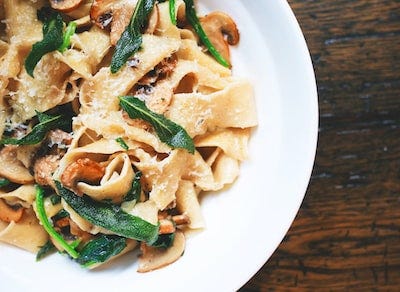
1. Plant-based Everything
Plant-based options are growing in popularity, focusing on tasty meat alternatives. Global fusion flavors bring different cultures together, creating exciting taste experiences. AI meal planning is changing how we cook and eat, making healthy choices easier. Sustainable seafood options are prioritized to protect our oceans.

Gut-healthy ingredients are increasingly common as we focus on digestive health. Upcycled foods reduce waste and utilize all parts of ingredients. Zero-waste cooking is popular, promoting environmental mindfulness. Virtual dining experiences offer unique meal opportunities at home.
2. Global Fusion Flavors
Various global cuisines will merge to create new and exciting taste combinations. Chefs will use ingredients and techniques from different cultures to craft fusion dishes that delight the senses. Korean tacos and Indian-inspired pizzas are just the beginning of this culinary journey. Embracing this diversity showcases a range of flavors and celebrates our global food community. In addition, technology is transforming the culinary world in 2024. Artificial intelligence will enhance meal planning, personalized nutrition, and cooking methods. AI-powered apps will suggest recipes tailored to individual preferences and dietary needs. This innovation allows home cooks to explore new flavors, ingredients, and improve cooking skills while maintaining wellness goals. The marriage of food and technology promises a creative and efficient kitchen experience, where cooking becomes a fun and enjoyable activity.

3.1. Driven Meal Planning
Artificial intelligence is revolutionizing meal planning by personalizing menus, tracking nutritional needs, and suggesting creative recipes. This approach makes meal planning easier and ensures that every bite aligns with health goals and taste preferences. With AI, meal planning is more efficient and caters to diverse lifestyles.
In 2024, meal planning trends focus on sustainability and conscious consumption. Prioritizing locally sourced ingredients and reducing food waste are key. This approach aims to have a positive impact on personal well-being and the environment. By considering the ecological footprint of our food choices, meal planning now encompasses sourcing, preparation, and consumption methods. Aligning meal planning with sustainability goals promises a culinary experience that not only satisfies taste buds but also supports the planet.
3. Sustainable Seafood Choices
Awareness of overfishing and its environmental impact has led to a shift towards responsible seafood sourcing. Chefs and consumers now embrace sustainable options, such as farmed fish with minimal environmental impact. Choosing responsibly sourced seafood helps preserve marine ecosystems and support sustainable fishing practices.

Furthermore, sustainable seafood choices align with the growing demand for transparency in the food industry. Consumers are more informed and selective, seeking certifications like Marine Stewardship Council (MSC) or Aquaculture Stewardship Council (ASC) for ethical practices. Supporting fisheries and aquaculture operations that prioritize sustainability helps conserve marine biodiversity and benefit coastal communities.
Making sustainable seafood choices in 2024 benefits the environment and promotes ethical food consumption.
4. Gut-Healthy Ingredients
Probiotics, prebiotics, and fermented foods are popular choices for a healthy gut. Consumers are increasingly aware of the link between gut health and well-being. Expect kimchi, kefir, and tempeh to gain more popularity in 2024.

In the upcoming year, anticipate an increase in gut-friendly ingredients in various dishes. The trend of including more fiber-rich foods like whole grains, fruits, and vegetables is growing. Additionally, the use of adaptogens such as ashwagandha and turmeric, known for their gut health benefits, will likely become more common in cooking and restaurants. As we learn more about the gut-brain connection, gut-friendly ingredients will play a significant role in shaping culinary trends.
5. Upcycled Foods
This trend involves repurposing food byproducts or ingredients that would typically be discarded, transforming them into delicious and nutritious dishes. Embracing upcycled foods not only reduces food waste but also introduces innovative ingredients and flavors into the culinary scene. The James Beard Foundation recognizes the importance of sustainability and creativity in the food industry, making upcycled foods a hot topic for food enthusiasts and environmental advocates alike. In 2024, upcycled foods are expected to revolutionize how we approach cooking and eating.
Chefs and home cooks are increasingly looking for ways to reduce their environmental footprint and support sustainable food practices. By incorporating upcycled ingredients such as juice pulp, spent grains, or vegetable scraps into their recipes, culinary artists can unleash a world of inventive and eco-conscious dishes. The James Beard Foundation’s endorsement of upcycled foods highlights their potential to shape the future of gastronomy while promoting a more sustainable food system. Stay ahead of the culinary curve and explore the exciting world of upcycled foods with insights from the James Beard Foundation.
6. Zero-Waste Cooking
By adopting zero waste practices in cooking, we can reduce the amount of food that goes to waste. This can be done by properly storing leftovers, using food scraps for compost, and planning meals to use up ingredients before they spoil.
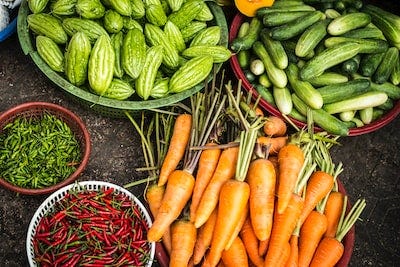
Preparing sustainable meals involves choosing locally sourced ingredients, using seasonal produce, and selecting products with minimal packaging. By supporting local farmers and businesses, we can reduce our carbon footprint and support sustainable agricultural practices.
Practicing eco-friendly kitchen habits can involve using energy-efficient appliances, reducing water usage, and avoiding single-use plastics. By being mindful of our consumption and waste, we can create a more sustainable kitchen environment and contribute to a healthier planet.
In summary, by adopting zero waste practices, preparing sustainable meals, and practicing eco-friendly kitchen habits, we can contribute to a more environmentally friendly culinary culture. These small changes in our daily routines can have a positive impact on the environment and help create a more sustainable future for generations to come.
7. DIY Homebrewing Craze
Homebrewing allows people to get creative, experiment with flavors, and make their own brews at home. This trend includes various brewing techniques, from traditional to innovative methods, providing a diverse landscape for homebrewers. With online resources, easily accessible supplies, and a supportive community, DIY homebrewing is set to thrive next year.

Moreover, DIY homebrewing not only offers a fun hobby but also promotes sustainability by empowering individuals to control their brewing process and use local, organic ingredients. By making beer, cider, mead, or other drinks at home, enthusiasts can reduce packaging waste and lessen their environmental impact.
Embracing the DIY homebrewing trend in 2024 is not just a culinary journey but also a move towards mindful consumption and a stronger bond with the art of brewing.
Frequently Asked Questions
What are some of the top food trends predicted for 2024?
How did the culinary expert determine these trends?
Are there any specific ingredients or dishes that are expected to become popular in 2024?
The Long and Short of It
As we dive headfirst into the culinary landscape of 2024, one thing is abundantly clear — the world of food is evolving at a breakneck pace. From innovative plant-based meat alternatives to cutting-edge fermentation techniques, the Top 6 Food Trends for 2024 are a tantalizing glimpse into the future of gastronomy.
As globalization continues to shape our palates, expect to see a surge in exotic ingredients like jackfruit and yuzu making their way into mainstream dishes. The rise of food delivery services and virtual kitchens will revolutionize the way we dine, with personalized meal plans and on-demand gourmet options becoming the norm.
But perhaps the most exciting trend of all is the growing emphasis on sustainability and ethical sourcing. From zero-waste cooking to regenerative agriculture, the food industry is finally starting to prioritize the health of our planet alongside our own well-being.
So whether you’re a die-hard foodie or simply looking to expand your culinary horizons, get ready to be dazzled by the Top 6 Food Trends for 2024 — the future of food has never looked so deliciously uncertain.


0 Comments