

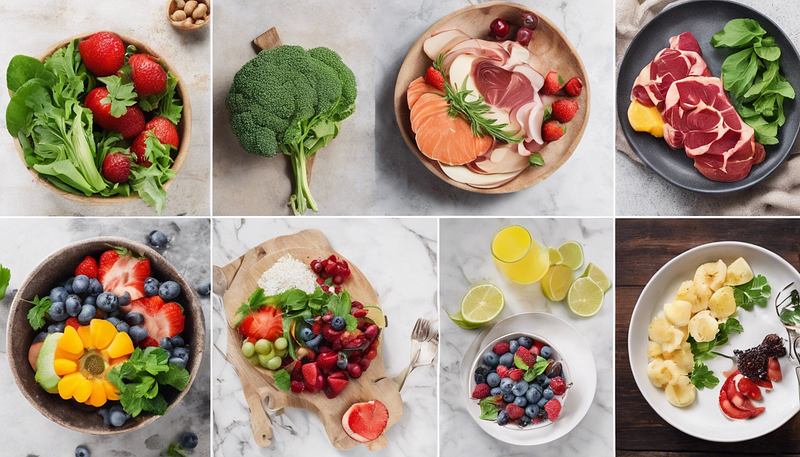
Discovering how to improve gut health is essential in navigating our day-to-day wellness with confidence. A healthy gut influences not just digestion but our overall physical and mental health. With conditions like diarrhea reminding us how vulnerable our systems can be, taking proactive steps toward gut health is not just beneficial; it’s crucial. By understanding and applying simple but effective strategies, we can enhance our gut health, ensuring a robust defense against common digestive issues and contributing to our general wellbeing.
In this article, we’ll explore five easy hacks to significantly boost gut health. We’ll start by highlighting the importance of eating a diverse range of foods to introduce a variety of beneficial bacteria to our gut. Next, we’ll delve into increasing your fiber intake, a step indissolubly linked with better digestive health. We’ll also discuss the remarkable benefits of consuming fermented foods, known for their probiotics, which are key to a healthy gut flora. Staying hydrated and managing stress levels are further essential practices that support our digestive system. By the end of this guide, you’ll be equipped with practical tips to fortify your gut health and minimize discomforts like diarrhea, setting a foundation for lasting health and vitality.
Eat a Diverse Range of Foods
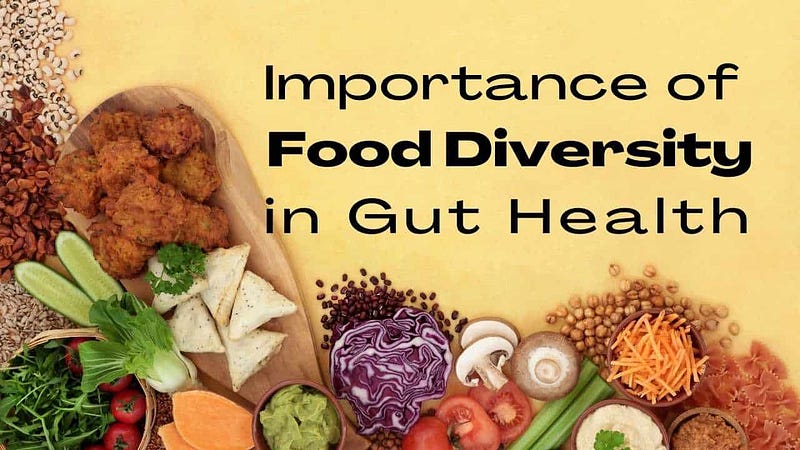
Eating a wide variety of foods is not just about tantalizing your taste buds — it’s a crucial strategy for enhancing gut health. Let’s delve into why incorporating a rainbow of foods into your diet can lead to a happier, healthier gut.
Why Food Diversity Matters for Gut Health
A diverse diet introduces a plethora of beneficial bacteria to our gut, which is essential for maintaining a balanced microbiome. The American Gut Study revealed that individuals consuming more than 30 different types of plant foods weekly have a more diverse microbiome than those who consume fewer varieties . This diversity is vital as it helps build a resilient microbial community that can withstand common gut disturbances and bolster our immune system .
Best Foods for Gut Diversity
To foster a rich and varied gut flora, focus on integrating prebiotic and probiotic-rich foods. Prebiotics like garlic, onions, asparagus, and bananas provide the necessary fuel to help beneficial bacteria thrive . On the probiotic side, fermented foods such as yogurt, kefir, sauerkraut, and kimchi introduce live beneficial bacteria directly into our digestive system . Additionally, incorporating a mix of fruits, vegetables, nuts, seeds, and whole grains will not only provide essential nutrients but also promote a flourishing gut ecosystem .
How to Incorporate Food Diversity into Your Diet
Aiming for 30 different plant foods each week might sound daunting, but it’s quite achievable with some simple strategies. Start by including a variety of colors in your meals — each color often represents different underlying nutrients and benefits. For instance, mix red bell peppers with green spinach and yellow corn in your salads or stir-fries . Don’t forget to sprinkle in nuts and seeds for added fiber and healthy fats, which are also great for your gut bacteria .
By embracing food diversity, we not only enjoy a richer diet but also provide our gut microbiome with the tools it needs to protect and enhance our overall health. Each meal is an opportunity to support our gut health, so let’s make every bite count!
Increase Your Fiber Intake
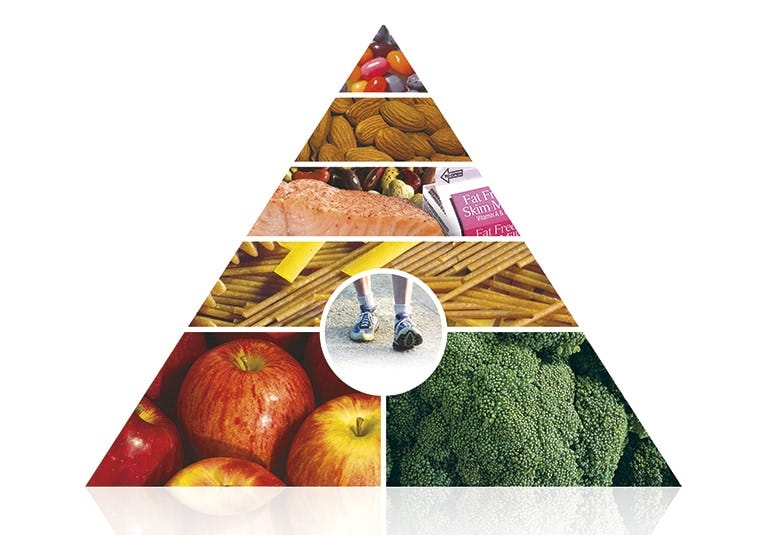
Understanding the critical role of dietary fiber in promoting gut health is crucial. Fiber helps reduce the risk of several chronic diseases, including heart disease and diabetes, and plays a significant role in digestion and cholesterol management .
The Role of Fiber in Gut Health
Fiber assists in maintaining a balanced digestion process by regulating bowel movements and contributing to a feeling of fullness, which can aid in weight management. Soluble fiber, found in oats and beans, helps lower cholesterol and stabilize blood sugar levels. Insoluble fiber, present in whole grains and vegetables, aids in moving food through the digestive system efficiently, preventing constipation .
Top Fiber-Rich Foods for Gut Health
To boost gut health, incorporating a variety of fiber-rich foods is essential. Fruits like apples and oranges, vegetables like carrots, legumes such as beans and lentils, and whole grains including oats and barley are excellent sources of fiber . These foods not only provide the necessary fiber but also include a range of other nutrients beneficial for overall health.
Tips to Boost Your Daily Fiber Intake
Increasing daily fiber intake can be simple with a few adjustments to your diet:
- Include whole grains in every meal. Opt for whole-wheat bread and brown rice over their refined counterparts .
- Add beans or legumes to salads, soups, and dishes for an extra fiber boost .
- Snack on fiber-rich foods like nuts or whole fruits instead of processed snacks .
- Gradually introduce high-fiber foods into your diet to allow your gut to adjust, reducing potential discomfort from gas or bloating .
By understanding the types of fiber and the foods that contain them, you can significantly improve your digestive health and contribute to your overall well-being. Remember, a diverse diet rich in fiber not only supports your gut but also helps maintain a healthy body weight and reduces the risk of various diseases .
Consume Fermented Foods
Benefits of Fermented Foods for Gut Health
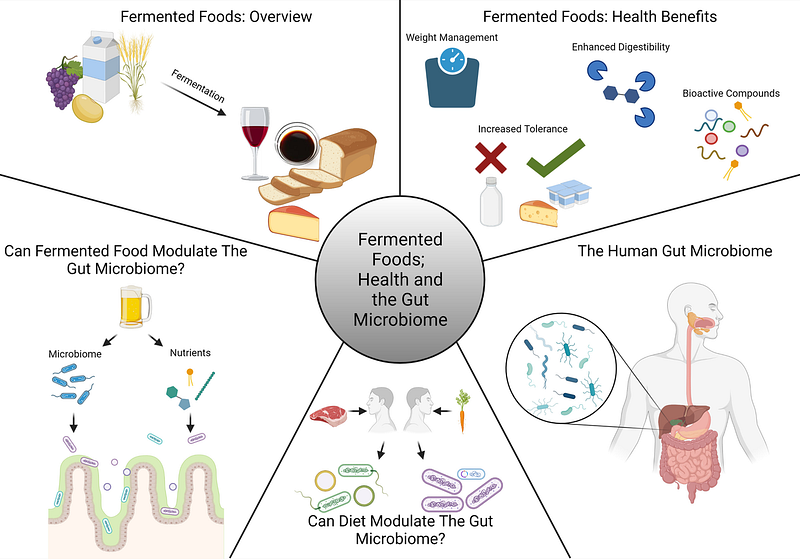
Fermented foods play a pivotal role in enhancing gut health due to their rich probiotic content. These foods undergo an age-old preservation method that not only extends their shelf life but also enriches them with healthful probiotics — live microorganisms crucial to good digestion . The diverse and healthy intestinal microbiome fostered by these foods fine-tunes the immune system and wards off damaging inflammation, potentially preventing a range of conditions from obesity to neurodegenerative diseases .
Popular Fermented Foods to Try
Incorporating fermented foods into your diet can be both tasty and beneficial. Yogurt, especially those varieties containing live cultures, is a familiar starting point for many . For more adventurous palates, sauerkraut, kimchi, and kefir offer not only probiotics but also enhanced flavors and additional nutrients . Fermented soy products like tempeh and miso are excellent options for those seeking plant-based protein sources that also contribute to gut health .
How to Add Fermented Foods to Your Diet
To effectively integrate fermented foods into your diet, consider adding them as side dishes or condiments. For instance, you might toss some sauerkraut into a sandwich or wrap, or add a spoonful of kimchi to your favorite stir-fry . It’s important to start slowly to allow your gut to adjust to the increased probiotic intake, which can help minimize digestive discomfort such as gas or bloating . Always ensure that the fermented foods you choose are naturally fermented, as indicated by bubbles in the liquid or the label stating “naturally fermented,” to guarantee the presence of live probiotics .
Stay Hydrated
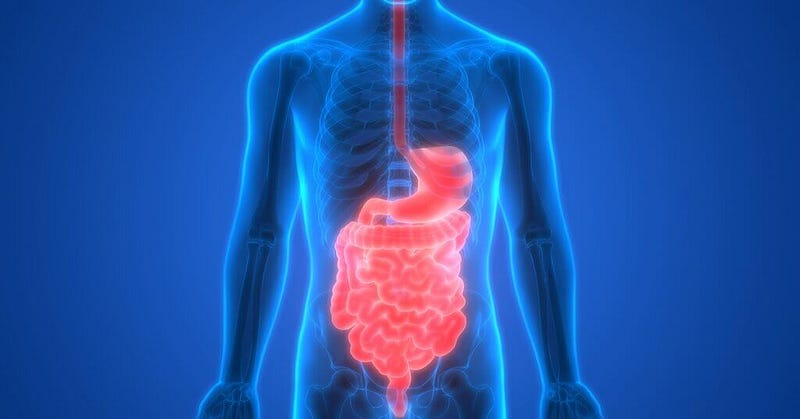
Staying adequately hydrated is crucial for maintaining a healthy gut. Water facilitates the transport of nutrients and the elimination of waste, ensuring our digestive system functions optimally.
The Connection Between Hydration and Gut Health
Hydration significantly impacts our gut health by aiding in digestion, preventing constipation, and maintaining the mucosal lining of the intestines. Proper hydration helps to keep our joints lubricated, assists in nutrient absorption, and supports our gut microbiome . Moreover, staying hydrated reduces the risk of bloating and enhances the overall function of the gut .
Best Drinks for Gut Health
While water is the cornerstone of staying hydrated, other beverages can also contribute positively to gut health. Herbal teas and certain probiotic-rich drinks like kombucha and kefir offer hydration while promoting a healthy gut microbiome . These beverages not only hydrate but also provide antioxidants and beneficial bacteria that aid digestion and enhance gut health .
Tips to Increase Your Daily Water Intake
Increasing daily water intake is essential for gut health and overall well-being. Here are some practical tips to ensure you stay hydrated:
- Start your day by drinking a glass of water and continue to drink before each meal.
- Carry a reusable water bottle to remind yourself to drink regularly.
- Enhance the flavor of your water by adding slices of fruits such as lemons or cucumbers for a refreshing taste.
- Include high-water-content foods in your diet like cucumbers, celery, and watermelon to boost hydration .
By understanding the importance of hydration and implementing these tips, we can significantly improve our digestive health and contribute to our overall health strategy.
Manage Stress Levels

The Gut-Brain Connection
The intricate link between our digestive system and mental state is something I’ve always found fascinating. Did you know that our gut is often referred to as our “second brain”? This is because the Enteric Nervous System (ENS) within our digestive tract communicates directly with our brain, influencing our mood and overall health . For instance, conditions like Irritable Bowel Syndrome (IBS) and other bowel-related issues can significantly affect our emotions, sometimes even leading to anxiety and depression . Understanding this connection can be a game-changer in managing stress and improving gut health.
Stress-Reduction Techniques for Better Gut Health
Managing stress is crucial for maintaining a healthy gut. Techniques like Cognitive Behavioral Therapy (CBT) and mindfulness meditation have been shown to improve symptoms of IBS and other digestive disorders by reducing stress . Additionally, incorporating regular physical activity into my routine has not only helped reduce stress but also improved my digestive health. Even simple activities like a daily walk or yoga can significantly impact our gut health by lowering stress levels .
Incorporating Stress Management into Your Daily Routine
I’ve found that making small changes in daily habits can profoundly impact stress management and, consequently, gut health. Starting the day with deep breathing exercises or engaging in short meditation sessions has helped me maintain a calm mind and a healthy gut . Also, ensuring a diet rich in probiotics and fiber supports a balanced gut microbiome, which is essential for both physical and mental well-being . Regular sleep patterns and hydration are also key components of a holistic approach to stress management that benefits gut health.
By understanding the deep connection between our brain and gut and actively managing stress, we can significantly enhance our digestive health and overall well-being. Each step we take towards stress reduction not only helps our mental state but also supports the complex ecosystem within our gut.
Conclusion
Through our exploration of gut health improvement strategies, we have underscored the interdependence between dietary diversity, fiber intake, hydration, stress management, and the inclusion of fermented foods in promoting a robust digestive system. The implementation of these easy hacks not only aims to foster a vibrant microbiome but also enhances our overall well-being, mirroring the intricate connection between gut health and our mental and physical state. Embracing these practices can lead to significant improvements in digestive health, minimizing discomforts like diarrhea and contributing to our holistic wellness.
As we conclude, it’s crucial to remember that the journey to improved gut health is both a personal and progressive one, highlighting the importance of tuning into our body’s unique responses to dietary and lifestyle adjustments. By consistently applying these strategies and paying attention to how our bodies react, we pave the way for not only a healthier gut but a healthier life. Encouraging further research and dialogue on gut health will continue to illuminate its pivotal role in our overall health, urging us to nurture our digestive system with the care and attention it deserves.
FAQs
Currently, there are no questions listed in the “People Also Ask” section for this topic. Please check back later or consult other sources for information on how to improve gut health.

0 Comments